


Japan rental comparison
Japan car hire
- Best for
- A visitor checking the actual pickup, driver and accepted return before selecting a car.
- Trade-off
- Office location and terms vary by pickup point.

Last updated
The short answer
Choose the days that need a car. Then make the pickup, documents and return fit your Japan journey.
Japan car hire
Plan rental cars in Japan around your journey. Then check the pickup point and driver’s documents. Begin with the part of the trip that benefits from a car. You may need one for a rural stay without needing it for each city night.
Rental Cars Japan is an independent visitor guide. We do not run a fleet, take car bookings or represent a former business at this domain. The guidance helps you choose and prepare a rental, with the actual agreement made through the provider you select.
Draw the driving part of your trip plan before choosing a supplier. Mark where the car will start, where it will finish and where you expect to park overnight. This is more useful than searching all of Japan for the lowest visible daily price. A cheaper counter far from your route can add a transfer, a late start or a difficult return.
Next, check the documents for each driver. Japan’s recognised foreign-document routes depend on the issuing country, permit format, car class and dates. A passport or booking record does not answer all those questions. Read the international driving permit guide before paying for a rental.
The rules in that guide use the National Police Agency and JAF. Supplier payment and pickup conditions are distinct checks. Deal with the legal route first, then the exact rental contract.
There is no single booking route that answers each traveller’s needs. Separate the way you search from the company that will hand over the car. A comparison service can help you check several offers, while the named rental supplier owns its fleet and pickup rules.
| Booking route | Car comparison service | Supplier's own booking route | Rail first, car later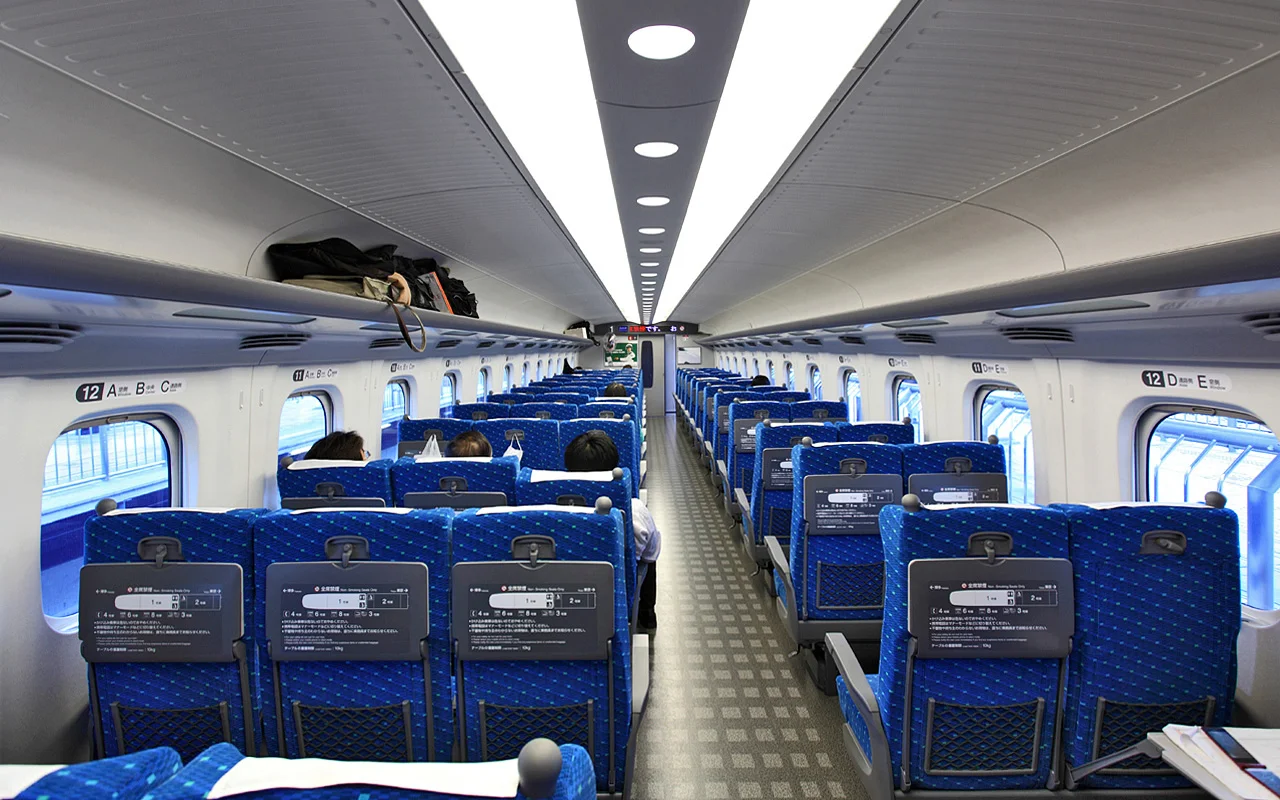 |
|---|---|---|---|
| Best for | Compare eligible pickup and return choices for fixed dates. | Check an exact branch, car class or unusual request. | Keep the car for the regional driving part only. |
| What to check | Check the named supplier, branch pair, total, cancellation and cover. | Read the branch page and contract for the exact booking. | Check train arrival, luggage transfer and branch access. |
| Trade-off | Broker and supplier rules need separate reading. | Compare the whole trip cost with other options. | Pickup becomes another step in the day's plan. |
| Next step | Compare pickup options | Prepare the rental | Compare car and train |
Use the place guides to choose a pickup plan, then compare the car class, total price and terms for your dates.
The rental process guide is the next step once you know where pickup belongs. It sets out the order from documents and branch choice through handoff and return. If your main question is cost, use the rental cost guide to build a like-for-like comparison.
Think about the gaps between your stops. A car can be useful when the trip depends on dispersed accommodation, luggage-heavy moves or several rural stops. It can add work when the trip plan is a sequence of central-city sights with parking and a difficult return at the end.
Those are planning judgments, not a rule that everyone should drive outside a city or avoid driving within one. Check the actual places, travellers and offered transport. A group with an exact access need may value door-to-door travel differently from two people carrying light bags.
Compare a whole day, not only the time behind the wheel. Include getting to the counter, paperwork, loading, fuel stops and finding parking. For trains, include station access and transfers. Add the last leg to the stay. The better plan is the one that works for your route and energy.
Use should I rent a car in Japan for that decision. Choose a car because it solves a real part of the journey. Avoid adding rental days simply because the flight arrives at an airport with car desks.
The region pages compare the pickup choices that affect the trip. Follow the airport, station or local guide for the next part of the journey. Start with the region you will drive, rather than a distant city with a familiar supplier name.





For the documents and process behind all these choices, use driving documents, rental essentials and road rules. These subjects belong together. But answer other questions. A sensible branch choice still needs a valid driver and a workable driving plan.
Check the licence-issuing country, original licence, permit or translation, car class and dates. Repeat that for each driver. Give special attention to a large passenger van, a recently renewed licence or a long stay in Japan. Do not leave a doubtful document until the pickup day.
The rules checklist also separates legal documents from supplier terms. The actual company may set payment, age, deposit or extra-driver terms. Read the conditions for your offer rather than assuming that all Japanese rentals use one rule.
Keep entry evidence in the plan. Toyota’s listed document rules, describe its landing-date check. If you use automated immigration gates, read your supplier’s current directions before arrival. Carry the needed originals where you can reach them at pickup.
Use the same dates, branch pair and car class when comparing offers. Then list the rental total, optional equipment, one-way charge if any, coverage choice and payment terms. A visible daily figure can leave several of those decisions unanswered.
Keep driving costs in a second list. Fuel, road tolls and parking belong to the journey even when they are not part of the rental bill. Use current official route and parking details for any numerical budget. We do not price every trip. There is no universal total.
Read the CDW and coverage guide before deciding that an “insured” label settles the risk. Supplier liability cover, excess waivers, non-operation charges and broker reimbursement cover can be other things. Compare their actual terms and exclusions.
For the car, think about luggage as well as seats. A group may fit on paper but leave no space for bags. Check the booked class, child-seat request and the limits on model choice. If a small car seems attractive, read the kei car guide before deciding it suits the route.
Pickup starts with finding the actual branch, not just arriving at the airport or station. Read whether the booking uses a terminal desk, off-site shuttle, walk or city office. Save the supplier’s directions and contact route. Check what happens if your arrival is delayed.
At handoff, check the car and record any existing damage through the supplier’s process. Ask about fuel type, toll equipment and what to do after an accident or breakdown. Set up your route before pulling into traffic. JNTO’s car guidance, provides the official tourism context for driving and rental preparation.
Return needs its own route and deadline. Save the return entrance and fuel directions. Leave time for unloading, check and any shuttle back to a terminal. A train departure or flight check-in is not the same event as arriving at the rental office.
Compare the actual trip plan. A rail-led city stay and a short regional rental can work better than keeping a car throughout. Include pickup, parking and return in the comparison. A car is most useful when it solves a journey problem, rather than simply adding another booking to the trip.
It can suit an immediate regional drive. But read the exact pickup process. Some rentals involve an off-site office or shuttle. If you plan city nights first, a later city or station pickup may fit better. Compare the full sequence from arrival to your first driving stop.
No. The guides help you choose a place and read the conditions. The actual provider supplies date-specific cars, prices and booking terms. A source-checked branch description is not a live stock check. Use the same travel details when comparing offers and keep a copy of the final agreement.
Check driving right to drive, the actual branch pair, car and luggage fit, total cost, coverage and cancellation terms. Read the supplier’s pickup and return directions too. If a material point is unresolved, ask through the official provider route before payment rather than relying on a generic country search result.
Start with the region and the days that need a car. Check documents before price, compare whole-trip costs and choose a return you can manage. Then use the right place guide and the rental process checklist to prepare the booking.


